
New TR to PR Pathway: Why Major Canadian Cities Are Being Left Out
Have Questions?
Our immigration specialists can help you understand your options and take the next step with confidence.



The next Canadian federal TR to PR pathway will move in an entirely different direction from the previous one in 2021. This is because the Minister for Immigration has clearly said the program is aimed at workers outside CMAs and that big CMAs like Toronto, Vancouver, and Montreal should not expect to be included, but IRCC has not yet published a final, legal exclusion list for all CMAs.
This is a fundamental policy shift: for the first time, where you live and work in Canada will be a primary filter for a federal TR to PR program.
1. What Has the Immigration Minister Actually Said?
In recent media appearances and social‑media clips, Immigration Minister Lena Metlege Diab has explained that:
- In recent interviews and public comments, the immigration minister has stated that the next TR‑to‑PR initiative will focus on workers who live and work outside Canada’s large metropolitan regions.
- She has indicated that the government will rely on Statistics Canada’s concept of a Census Metropolitan Area (CMA) to distinguish big cities from smaller centres.
- In simple terms, people whose home and job are inside a CMA should not expect this new program to be designed for them.
- Workers based in smaller cities, towns, and rural communities are the group this policy is intended to support.
- The minister has emphasized that the goal is to help communities that struggle to attract and retain workers.
- She has also noted that further technical details will be shared once the federal rules are finalized.
Full technical details (exact list of communities, occupation lists, quotas, etc.) have not yet been released, but the geographic focus and exclusion of CMAs are now clear.
2. What Does "Major Canadian Cities Excluded" Really Mean?
- The federal government is using the CMA definition instead of listing specific cities by name.
- A CMA covers both the central city and its surrounding municipalities that share a common labour and housing market.
- As a result, someone living in a suburb inside a CMA boundary is treated as a big‑city resident for this initiative.
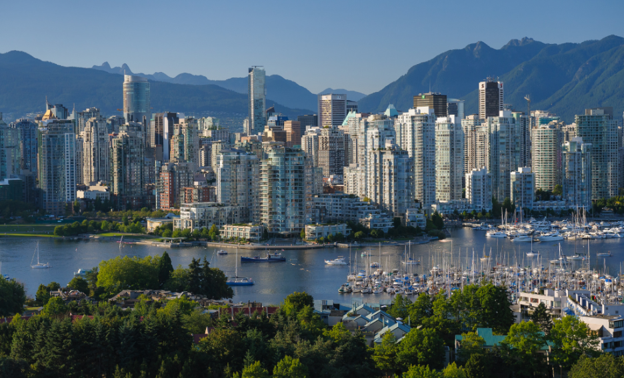
This approach includes Toronto, Vancouver, Montreal and their surrounding areas.
- It also captures other large regions such as Calgary, Edmonton, Ottawa–Gatineau, Winnipeg, Quebec City, Halifax, Hamilton, Kitchener–Waterloo, London, Victoria, Saskatoon, and Regina.
- Current practitioner and media commentary generally interpret the government’s messaging in this way:
- People inside a CMA are not the main target group for this TR‑to‑PR measure.
- People living and working outside a CMA are the ones most likely to benefit, subject to final rules from Ottawa.
Most current practitioner and media analyses interpret this as ‘within a CMA = not targeted by this TR to PR initiative; outside a CMA = potentially eligible once criteria are finalized.
3. Why Is the Government Excluding Big Cities?
Three main policy reasons are being signalled:
1. Relieving pressure on housing and services in major cities
Large CMAs are currently receiving the majority of new immigrants to Canada and, as a result, face the greatest pressure on housing affordability, transportation, and service delivery. The idea of this new policy is to prevent an increase in migration to these areas by creating an alternate pathway.
2. Supporting regional and rural labour markets
Small communities and rural areas are unable to attract workers for long-term employment. This new policy aims to provide a means to attract migrants to work and settle in such communities, rather than in the three big cities in Canada.
3. Aligning with provincial and community programs
Provinces already have similar pathways, such as Alberta’s Rural Renewal Stream. This policy reflects the same approach – granting PR through the contribution made towards the development of smaller communities.
4. What This Means for You – By Where You Live
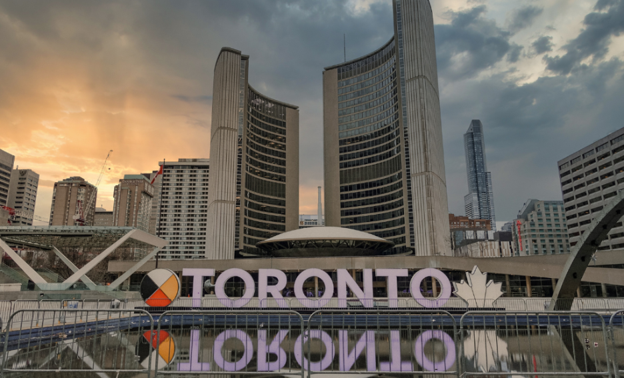
As this announcement makes your place of residence a crucial factor, its implications vary widely depending on where you live and work.
A. If you live in a major CMA (Toronto, Vancouver, Montreal, Calgary, etc.)
For you, the new TR to PR pathway is not intended as a main option.
- Assume you will be ineligible to access this program until IRCC announces exceptions for your area.
- Your primary PR strategies remain:
- Express Entry (CEC/Federal Skilled Worker),
- Provincial Nominee Programs (e.g., OINP, BCPNP, AINP/AAIP, etc.),
- LMIA-based PR, Provincial Employer Programs, and
- Any relevant regional or in‑demand occupation pilots.
If you are thinking about moving out of a CMA only to become eligible for this pathway, speak to a professional first. IRCC will likely examine whether a move is genuine and sustained. A last‑minute relocation with no real ties to the new community may not achieve the result you want.
B. If you live outside a CMA (smaller cities, towns, rural areas)
You fit right into what this pathway is targeting.
Common examples:
- Workers in smaller and medium cities across Canada (many towns in Atlantic Canada, Northern Ontario, inland BC, and non-CMA parts of the Prairies).
- Individuals holding closed work permits or PGWPs who perform duties in food service, retail, healthcare support, manufacturing, agriculture, or trucking outside of the CMA.
For you, now is the time to:
- Work full-time, with no breaks, clear pay schedules, documented.
- Maintain a neat file of address-related documents (leases, bills, tax receipts, provincial IDs).
- Improve relationships with the community; volunteer and/or join local organizations; letters from employers/community groups.
When IRCC publishes the final criteria (occupations, language scores, minimum work duration, caps), being thoroughly documented will help you move quickly.
5. How Many Spots and What Criteria to Expect?
The federal government has not yet released a full program guide for this TR to PR initiative, so everything we know right now comes from high‑level federal signals and from how similar programs are usually designed. Current planning information suggests that the initiative could help a low‑ to mid‑tens of thousands of temporary workers transition to permanent residence across 2026 and 2027, but the exact yearly breakdown and final cap are still unknown.
Based on existing federal and regional programs, it is reasonable to expect requirements such as:
- Recent Canadian work experience in the same community where you live
- A minimum level of English or French language proficiency
- Employment in an occupation that is in demand in smaller cities or rural areas (for example, healthcare support, trades, agriculture, childcare, transport, or hospitality)
However, key details have not been finalized, including:
- How many months or years of work experience will be required
- The exact language test scores (CLB levels) that will be needed
- The final list of eligible occupations and sectors
Until IRCC publishes official instructions or a formal public policy, these points should be treated as informed expectations to help you plan, not as guaranteed rules.
6. Practical Advice for All TRs in Canada
Regardless of where you live today, there are concrete steps you can take:
- Do not rely on one pathway only.
Think about the TR to PR program as one of the methods in your toolbox rather than your sole means of obtaining permanent residency. Stay on track with your Express Entry, PNP, and employer options.
- Know your geography.
Check if your current city falls within the boundaries of the CMA. You can do it via the maps available at Statistics Canada or their concise descriptions. If you are in a CMA, accept that this pathway is not designed for you and plan accordingly.
- Track your work and residence properly.
It is a good practice to keep track of your employment contracts, T4s, ROEs, rental agreements, utility bills, and provincial ID. All of this will come in handy if you opt to pursue other immigration pathways.
- Be wary of reactive moves.
Moving from a CMA to a non‑CMA area only for this pathway is a big decision. Consider job stability, family, cost of living, and your realistic PR timeline before making that shift.
Conclusion
Regardless of whether you currently reside in a larger or smaller urban area within Canada, one thing has become apparent – your place of residence may have a huge impact on your PR prospects.
If you do not currently live in a CMA, there may be new opportunities available to you due to the establishment of a new TR to PR pathway in Canada.
However, if you are a resident of a large metropolis, it is high time that you started looking at other, more promising avenues for yourself, such as Express Entry and Provincial Nominee Programs.
Need help with your Canadian Citizenship application? Connect with Neximm Immigration today!
You can reach us on WhatsApp or email us at connect@duveraimmigration.com.
FAQs
1. What does TR to PR mean in Canada?
The TR to PR pathway is a temporary public policy initiative that permits qualified temporary residents who are working in Canada, together with their families, to qualify for permanent residency during a particular time frame.
2. Who is going to TR to PR for 2026?
- Temporary foreign workers with previous work experience in Canada
- People employed in sectors experiencing labor shortage issues
- People working in rural areas or small towns
3. Which province is easy to get PR in Canada in 2026?
Many applicants find provinces like Saskatchewan and Manitoba accessible due to their PNP structures, but ‘easiest’ will depend on your profile and current draw patterns.